
Have you stopped to consider the impact of compliance standards on your organization's secure printing practices? In today's regulatory landscape, understanding these standards isn't just a box to check—it's essential for protecting sensitive information and maintaining trust.
What You Will Learn
- The critical role of secure printing in protecting sensitive information across healthcare, legal, and government sectors.
- Specific compliance challenges in different sectors, such as HIPAA in healthcare and GDPR in legal environments.
- Essential compliance frameworks like NIST SP 800-53 and ISO/IEC 27001 that guide secure printing practices.
- How to evaluate the cost-effectiveness of secure printing solutions and their potential return on investment (ROI).
- Long-term benefits of adhering to compliance standards, leading to enhanced operational efficiency and reduced risks.
Key Compliance Frameworks & Cost-Effectiveness Factors
This visual highlights the critical compliance frameworks and the factors influencing the cost-effectiveness of secure printing solutions across various sectors.
Key Compliance Frameworks
- NIST SP 800-53
- ISO/IEC 27001
- PCI DSS (for card data)
Cost-Effectiveness Factors
- Reduced data breach risks
- Increased operational efficiency
- Enhanced client trust
- Lower printing costs
Sector-Specific Compliance Challenges
- Healthcare: HIPAA (PHI)
- Legal: GDPR (Client Confidentiality)
- Government: FISMA (Security Protocols)
Long-term Benefits
- Avoidance of penalties
- Operational framework enhancement
- Reduced insurance premiums
- Sustained organizational growth
Understanding Compliance Standards for Secure Printing Across Sectors
In today’s complex regulatory landscape, understanding compliance standards for secure printing is more critical than ever. Organizations across healthcare, legal, and government sectors face unique challenges that necessitate robust document security measures. As someone who has dedicated over a decade to improving data security practices, I can attest to the necessity of adhering to these standards to protect sensitive information and ensure compliance.
At SecurePrint Compliance Solutions, we recognize that secure printing is not just about having the right technology—it's about implementing processes that align with the compliance requirements of your specific industry. So, how can organizations effectively navigate these standards? Let’s dive into the importance of secure printing and the sector-specific compliance challenges we often encounter. You can learn more about print security compliance explained simply in our detailed guide.
Importance of Secure Printing in Healthcare, Legal, and Government
Defining Secure Printing and Its Relevance
Secure printing refers to the processes and technologies that ensure printed documents are accessible only to authorized individuals. This practice is essential in sectors like healthcare and legal, where sensitive information is frequently handled. For instance, unauthorized access to patient records or legal documents can lead to severe compliance violations and damage to an organization’s reputation.

By ensuring that only the right people have access to printed documents, organizations can significantly reduce the risk of data breaches. In my experience, implementing secure printing solutions makes a profound difference in safeguarding sensitive data while fostering a culture of accountability within the organization.
Overview of Sector-Specific Compliance Challenges
- Healthcare: Compliance with HIPAA regulations requires strict controls on patient health information (PHI).
- Legal: Adhering to GDPR demands stringent data protection measures to maintain client confidentiality.
- Government: Agencies must comply with various regulations, including FISMA, which mandates specific security protocols.
Recognizing these challenges allows organizations to tailor their secure printing solutions effectively. This proactive approach not only minimizes compliance risks but also improves operational efficiency. To further enhance your understanding, consider exploring data security in print environments.
Key Compliance Frameworks for Secure Printing
Exploring NIST SP 800-53 and ISO/IEC 27001 Compliance
The NIST SP 800-53 and ISO/IEC 27001 frameworks provide comprehensive guidelines for managing information security. These frameworks emphasize the importance of risk management and implementing appropriate security controls, including those related to secure printing. By adopting these standards, organizations can develop a robust compliance program that addresses their unique needs.
As you evaluate your organization’s compliance status, consider how implementing these frameworks can help strengthen your secure printing practices. Remember, a well-structured security program can significantly lower the risk of data breaches and enhance your clients’ trust.
The Role of PCI DSS in Secure Printing Practices
The Payment Card Industry Data Security Standard (PCI DSS) is crucial for organizations that handle credit card transactions. Compliance with PCI DSS requires effective security measures to protect cardholder data, including secure printing practices. Ensuring that sensitive payment information is printed securely can prevent unauthorized access and data theft.
By integrating PCI DSS requirements into your secure printing strategy, you can bolster your organization’s overall security posture. At SecurePrint Compliance Solutions, we specialize in helping businesses align their printing processes with PCI DSS regulations, ensuring they remain compliant while safeguarding critical information.
Pro Tip
Did you know? Incorporating user authentication into your secure printing process not only enhances document security but also provides an audit trail that can be invaluable during compliance audits. This additional layer of security ensures that only authorized personnel can access sensitive documents, significantly reducing the risk of data breaches and compliance violations.
Evaluating the Cost-Effectiveness of Secure Printing Solutions
In today’s fast-paced business environment, the cost-effectiveness of secure printing solutions is a critical consideration. As organizations increasingly face regulatory pressures, understanding the budget implications of compliance investments is essential. At SecurePrint Compliance Solutions, I’ve seen firsthand how strategic investments in secure printing can lead to significant long-term savings and risk mitigation.
Organizations often wonder where to allocate their budgets when it comes to compliance. The key is to recognize that these investments can enhance operational efficiency and reduce potential legal liabilities. By prioritizing secure printing solutions, you’re not just meeting compliance standards; you’re also safeguarding your organization’s reputation and bottom line.
Analyzing Budget Implications of Compliance Investments
When evaluating the financial impact of secure printing, it’s crucial to consider the return on investment (ROI) these solutions provide. Here are some factors that can help you understand the potential ROI:
- Reduced risk of data breaches leading to costly fines
- Increased productivity through streamlined workflows
- Enhanced trust with clients and stakeholders
- Lower printing costs through efficient resource management
By implementing secure printing solutions, organizations can effectively manage their resources while staying compliant with regulations like HIPAA and GDPR. This approach not only minimizes risks but also contributes to a healthier financial outlook. Have you evaluated how your current printing practices align with these considerations?
Understanding ROI on Secure Printing Implementations
Calculating the ROI on secure printing implementations involves analyzing both direct and indirect benefits. For instance, consider the cost of potential fines versus the investment in secure printing technology. The ROI can quickly become evident when you factor in the advantages of improved security and efficiency.
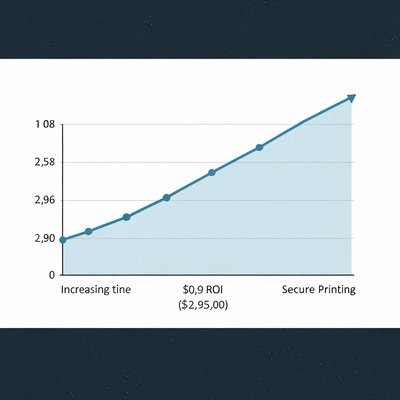
Moreover, implementing secure printing solutions minimizes the chances of costly legal disputes. When you invest in technology that enhances document security, you are also investing in the long-term sustainability of your organization. I encourage organizations to take a closer look at their compliance investments—it’s often more cost-effective than they realize! For more insights into how technology can help, explore secure printing technologies for data.
Long-term Benefits of Adhering to Compliance Standards
Adhering to compliance standards is crucial not only for avoiding penalties but also for reaping long-term benefits. A well-integrated secure network architecture can significantly enhance your organization’s operational framework. Here are a few cost considerations to keep in mind:
- Initial setup costs versus long-term savings from reduced data breach risks
- Investment in training and resources that promote a culture of compliance
- Potential for insurance premium reductions through demonstrated compliance efforts
Investing in secure network architecture today can lead to substantial savings in the future. By ensuring that your secure printing practices align with compliance requirements, you not only protect your organization but also position it for growth. Are your current investments aligned with the long-term vision for your business?
Frequently Asked Questions (FAQs)
What is secure printing and why is it important across different sectors?
Secure printing involves processes and technologies that ensure printed documents are only accessible to authorized individuals. It is crucial for protecting sensitive information, preventing data breaches, and maintaining compliance in sectors like healthcare (HIPAA), legal (GDPR), and government (FISMA), where confidential data is frequently handled.
Which key compliance frameworks are relevant to secure printing?
Key compliance frameworks include NIST SP 800-53 and ISO/IEC 27001, which provide comprehensive guidelines for information security. Additionally, PCI DSS is vital for organizations handling credit card transactions, requiring secure printing practices to protect cardholder data.
How can secure printing solutions be cost-effective?
Secure printing solutions offer cost-effectiveness through reduced risks of data breaches and associated fines, increased operational efficiency via streamlined workflows, enhanced client trust, and potentially lower printing costs. These factors contribute to a positive return on investment by mitigating financial and reputational damage.
What are the long-term benefits of adhering to secure printing compliance standards?
Long-term benefits include avoiding significant penalties and legal liabilities, enhancing the organization’s operational framework, strengthening reputation and client trust, and potentially reducing insurance premiums. Adherence to these standards positions an organization for sustained growth and resilience.
Why is user authentication important in secure printing?
User authentication in secure printing ensures that only authorized personnel can access sensitive documents, significantly reducing the risk of data breaches. It also provides an invaluable audit trail for compliance audits, demonstrating accountability and bolstering overall document security.
Recap of Key Points
Here is a quick recap of the important points discussed in the article:
- Secure Printing Importance: Implementing secure printing processes is crucial in sectors like healthcare, legal, and government to protect sensitive information.
- Compliance Challenges: Each sector faces unique compliance challenges, such as HIPAA in healthcare, GDPR in legal, and FISMA in government.
- Adoption of Compliance Frameworks: Frameworks like NIST SP 800-53 and ISO/IEC 27001 help organizations manage information security effectively.
- Cost-Effectiveness: Strategic investments in secure printing can lead to long-term savings, enhanced operational efficiency, and reduced legal liabilities.
- Long-term Benefits: Adhering to compliance standards not only avoids penalties but also strengthens organizational reputation and operational frameworks.