
As we navigate the complexities of regulatory compliance, one critical aspect that cannot be overlooked is secure printing. Did you know that a significant number of data breaches occur because of improperly managed printed documents? Understanding the implications of secure printing not only aids in compliance but directly impacts your organization's reputation and trustworthiness.
What You Will Learn
- Secure printing technologies safeguard sensitive documents through user authentication and data encryption.
- Implementing secure printing solutions helps mitigate risks associated with data breaches in regulated industries.
- Data security measures, such as regular audits and integration with existing security protocols, enhance document protection.
- Emerging technologies like AI and blockchain are transforming secure printing, offering smarter, more efficient solutions.
- Anticipating future compliance regulations post-2025 is essential for organizations to adapt and remain secure.
- Cloud printing offers advantages in accessibility but requires a reassessment of data protection strategies to ensure compliance.
Key Pillars of Secure Printing in Regulatory Compliance
Secure printing is vital for safeguarding sensitive information and maintaining regulatory compliance. This visual outlines the core technologies and protective measures involved.
What Secure Printing Encompasses
- User Authentication Systems
- Data Encryption (during process)
- Secure Print Queues
Crucial for Regulated Industries
Preventing Data Leaks
- Reduces accidental exposure
- Minimizes breach costs & penalties
- Enhances regulatory compliance
Safeguarding Confidentiality
Data Security Measures
- Data Encryption (transmission & storage)
- Regular Access Audits
- Integration with existing security protocols
Layered Defense Against Threats
Future Trends in Secure Printing
Emerging Tech: AI & Blockchain
- AI-Powered Analytics
- Blockchain for Tamper-Proof Docs
- Smart Automation
Anticipating Regulatory Changes
- Increased Data Privacy Focus
- More Stringent Audits
- Global Standardization
Impact of Cloud Printing
- Remote Access Risks (mitigation)
- Robust Cloud Data Encryption
- Regular Compliance Reviews
Understanding the Role of Secure Printing in Regulatory Compliance
In today's business environment, the concept of secure printing has become pivotal, especially as organizations face an increasing array of compliance regulations. What does secure printing entail, and why is it so crucial? Essentially, secure printing involves technologies and processes that ensure sensitive documents are printed safely and accessed only by authorized personnel. This technology not only protects confidential data but also plays a significant role in maintaining compliance with regulations like HIPAA and GDPR.
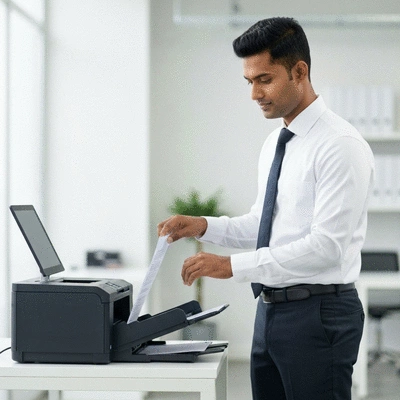
As someone who has worked extensively in IT and legal sectors, I can attest to the importance of implementing robust secure printing solutions. These solutions not only protect information but also streamline workflows, making it easier to manage document control and compliance challenges. Learn more about compliance in secure printing.
Defining Secure Printing Technologies and Their Importance
Secure printing technologies encompass various methods designed to safeguard printed materials. These include:
- User authentication systems that verify the identity of individuals before they can access printed documents.
- Data encryption that protects documents during the printing process.
- Secure print queues that store jobs until an authorized user releases them for printing.
These technologies are vital for regulated industries, where the stakes of data breaches can be exceptionally high. By utilizing secure printing, organizations can mitigate risks and instill greater confidence among clients and stakeholders.
How Secure Printing Prevents Data Leaks in Regulated Industries
Data leaks can lead to significant financial and reputational damage. Secure printing acts as a frontline defense by ensuring that sensitive information remains confidential until it is safely in the hands of authorized users. By implementing secure print solutions, organizations can:
- Reduce the risk of accidental exposure of sensitive documents.
- Minimize costs related to data breaches and associated legal penalties.
- Enhance compliance with regulations specific to their industry.
Consider this: when documents are left unattended in printing areas, they become vulnerable to unauthorized access. Secure printing solutions prevent this scenario by requiring users to authenticate their identity before they can retrieve their prints, effectively reducing the chances of data leaks. For more details on protecting your print environment, explore our guide on protecting print environments from breaches.
Data Security Measures in Secure Printing: Protecting Sensitive Information
Secure printing is not just about preventing unauthorized access; it also involves comprehensive data security measures. These may include:
- Data encryption during transmission and storage.
- Regular audits to track access to sensitive documents.
- Integration with existing security protocols for a layered defense.
By adopting these data security measures, organizations can significantly bolster their defenses against data breaches. It’s essential to understand that every step taken towards secure printing improves not just compliance but also overall operational efficiency.
Pro Tip
To enhance your secure printing strategy, consider integrating AI-driven analytics. These tools can help monitor print jobs in real-time, identifying unusual patterns that may indicate potential security threats. By proactively managing these risks, you can strengthen your compliance posture while improving overall document security.
Frequently Asked Questions
Future Trends in Secure Printing and Regulatory Compliance
As technology continues to evolve, so does the landscape of secure printing and regulatory compliance. At SecurePrint Compliance Solutions, we are always keeping a close eye on the trends that shape our industry. In this fast-paced world, understanding future developments is crucial to staying compliant and safeguarding sensitive information. Let's dive into some of the emerging trends that are set to make waves in the secure printing arena!
Emerging Technologies: AI and Blockchain in Secure Printing
Artificial Intelligence (AI) and blockchain technology are paving the way for innovative solutions in secure printing. AI can enhance document security by analyzing user behavior and identifying potential risks in real-time. This proactive approach helps organizations like yours mitigate data breaches before they occur!
- AI-Powered Analytics: Leveraging data analytics to monitor print jobs and user activities.
- Blockchain for Document Integrity: Ensuring that documents remain tamper-proof through decentralized verification.
- Smart Automation: Streamlining processes and reducing human error through intelligent workflows.
These advancements not only enhance security but also improve overall efficiency. Are you ready to embrace these technologies in your secure printing strategy?

Anticipating Changes in Compliance Regulations Post-2025
The regulatory landscape is continually shifting, and organizations must be prepared for what lies ahead. As new technologies emerge and data privacy concerns grow, we can expect changes to existing compliance regulations, particularly in areas like data protection and user access.
- Increased Focus on Data Privacy: Regulations may tighten around how organizations handle sensitive data.
- More Stringent Compliance Audits: Expect higher scrutiny and more frequent audits to ensure adherence.
- Global Standardization: Potential harmonization of regulations across different regions to simplify compliance.
Staying ahead of these trends will be essential for organizations that want to remain compliant and avoid costly penalties. For a deeper understanding of compliance standards, refer to key compliance standards for secure printing.
Impact of Cloud Printing on Data Security and Compliance
Cloud printing is revolutionizing how we approach document management, but it also brings new challenges in terms of data security and compliance. By shifting to cloud-based solutions, organizations can enhance accessibility, but they must also consider the implications for data protection.
- Remote Access Risks: Ensuring secure access to documents for remote employees while maintaining compliance.
- Data Encryption: Protecting sensitive information through robust encryption methods in the cloud.
- Regular Compliance Reviews: Conducting audits to ensure cloud services meet regulatory requirements.
As you evaluate cloud printing solutions, it’s vital to integrate security and compliance measures from the outset. Are your current strategies up to the challenge of securing cloud-based print environments?
Recap of Key Points
Here is a quick recap of the important points discussed in the article:
- Secure printing protects sensitive documents and ensures compliance with regulations like HIPAA and GDPR.
- Key technologies include user authentication, data encryption, and secure print queues to prevent unauthorized access.
- Implementing secure printing reduces the risk of data leaks, financial loss from breaches, and enhances compliance.
- Adopting data security measures like encryption and regular audits significantly bolsters defenses against data breaches.
- Emerging technologies like AI and blockchain are set to enhance the landscape of secure printing and compliance.
- Organizations must stay vigilant about evolving compliance regulations to avoid penalties and ensure data security.