
In an age where data breaches are increasingly common, understanding user access control could be the difference between security and vulnerability. How prepared is your organization to safeguard its sensitive information?
What You Will Learn
- The critical role of access control in protecting sensitive documents and enhancing operational efficiency.
- Key risks associated with inadequate access control, including unauthorized access and compliance violations.
- How applying the least privilege principle can significantly reduce exposure to data breaches.
- The importance of Access Control Lists (ACL) for managing user permissions effectively.
- Best practices for implementing Role-Based Access Control (RBAC) and Multi-Factor Authentication (MFA) to bolster security.
- The necessity of regular audits to ensure compliance and identify vulnerabilities in the access control framework.
Key Strategies for Effective User Access Control
In print infrastructure, robust user access control is paramount. The visual below summarizes key strategies to enhance security and compliance, ensuring data security in print environments.
Implement Role-Based Access Control (RBAC)
Assign permissions based on user roles.
Utilize Multi-Factor Authentication (MFA)
Add an extra layer of security.
Adopt the Least Privilege Principle
Limit user access to only what’s necessary.
Incorporate Access Control Lists (ACL)
For detailed permission management.
Conduct Regular Audits
Ensure compliance and identify vulnerabilities.
Understanding User Access Control in Print Infrastructure
In our increasingly digital world, user access control has become a critical component of print infrastructure. As someone deeply involved in data security and compliance at SecurePrint Compliance Solutions, I can't stress enough how vital it is for organizations to establish robust access controls. By doing so, they not only protect sensitive information but also enhance overall operational efficiency. Let’s explore why access control is essential in today’s print environments.
The Importance of Access Control in Today’s Print Environments
Access control serves as the first line of defense in safeguarding sensitive documents. Without proper controls, organizations are exposed to risks that could lead to data breaches and compliance violations. In my experience, implementing effective access control measures helps build a culture of accountability where employees understand the importance of protecting confidential information.
- Prevents unauthorized access to sensitive documents
- Enhances compliance with regulations such as HIPAA and GDPR
- Reduces the risk of data leaks and breaches
Ultimately, access control not only mitigates risks but also fosters trust with clients. When clients know that their information is secure, they are more likely to engage in long-term partnerships. So, is your organization leveraging the full potential of access control?
Key Risks and Threats Associated with Inadequate Access Control
Inadequate access control can open the door to a variety of risks that can severely impact an organization’s reputation and operations. I've seen firsthand how a single breach can lead to expensive legal ramifications and a loss of trust from clients. Here are some common threats:
- Unauthorized personnel accessing confidential documents
- Increased vulnerability to cyber-attacks
- Compliance violations resulting in hefty fines
By understanding these risks, organizations can take proactive steps to bolster their security measures. It’s essential to regularly review and update access control policies to ensure they align with current threats and industry standards, such as those found in key compliance standards for secure printing.

Applying the Least Privilege Principle to User Access Control
One of the most effective strategies for implementing user access control is the least privilege principle. This principle dictates that users should only have access to the information necessary for their job functions. By limiting access, organizations reduce their exposure to potential data breaches. At SecurePrint Compliance Solutions, we advocate for this approach as it not only enhances security but also simplifies access management.
- Define user roles clearly
- Regularly review user permissions
- Adjust access levels as roles change
Applying this principle not only streamlines operations but also ensures that sensitive data remains protected. Are your user roles well-defined?
Utilizing Access Control Lists (ACL) for Granular Permissions Management
Access Control Lists (ACL) are another essential tool for managing user access in print infrastructure. They allow organizations to specify which users or groups have permission to access specific resources. This granular level of control is crucial for organizations dealing with sensitive documents.
- Determine who needs access to what resources
- Establish clear guidelines for permission settings
- Regularly audit ACLs to ensure they are up to date
By implementing ACLs, businesses can greatly enhance their document security while maintaining flexibility in access management. Have you considered how ACLs could improve your current access control strategies?
Pro Tip
To strengthen your user access control strategy, consider implementing Multi-Factor Authentication (MFA). This additional layer of security ensures that even if a password is compromised, unauthorized access is still prevented. Regularly educating your team about the importance of MFA can significantly enhance your organization's overall security posture.
Summarizing Key Takeaways for Effective User Access Control
Understanding user access control is crucial for any organization, especially when considering sensitive environments like IT, legal, and healthcare sectors. The implementation of best practices enables organizations to protect their data while maintaining compliance with various regulations. Here’s a recap of the key strategies that can enhance your print security environment:
- Implement Role-Based Access Control (RBAC) to assign permissions based on user roles.
- Utilize Multi-Factor Authentication (MFA) to add an extra layer of security.
- Adopt the Least Privilege Principle to limit user access to only what’s necessary.
- Incorporate Access Control Lists (ACL) for detailed permission management.
- Conduct regular audits to ensure compliance and identify potential vulnerabilities.
By focusing on these practices, organizations can fortify their print environments against unauthorized access. At SecurePrint Compliance Solutions, we emphasize that a proactive approach to access control not only enhances security but also fosters a culture of accountability within your team.
Empowering IT Teams to Implement Effective Strategies
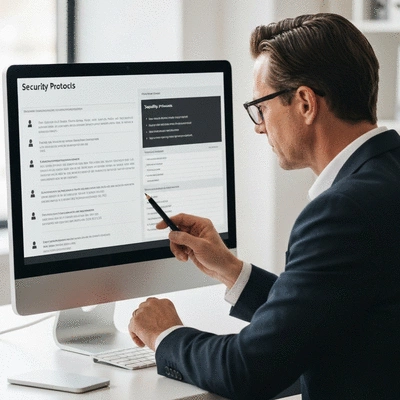
As someone who's worked in the IT and legal sectors for over a decade, I've seen firsthand the importance of empowering IT teams with the right tools and knowledge. Ensuring that your IT professionals are equipped to implement effective user access control strategies can make a significant difference in your organization’s security posture. Here are some ways to empower your teams:
- Provide ongoing training and resources about the latest security practices.
- Encourage collaboration among IT staff to share insights and strategies.
- Invest in user-friendly access management tools that simplify compliance.
- Foster a culture where security awareness is prioritized across all levels of the organization.
When your teams feel confident and knowledgeable, they can better navigate the complexities of user access control, leading to improved compliance and enhanced security. Remember, it's about creating an environment where every team member understands their role in protecting sensitive information, which is key to implementing user access control effectively.
Next Steps: Enhance Your Print Security Framework
Now that we've covered effective user access control strategies, it's time to take actionable steps to enhance your print security framework. The landscape of document security is constantly evolving, and staying informed is key.
Resources for Further Reading and Implementation Guides
Many resources are available to help you deepen your understanding of user access control and its implications for print security. Here’s a list of valuable resources:
- NIST Guidelines for Access Control
- ISO/IEC 27001 Standards
- CISA Publications on Cybersecurity
- SANS Cyber Security Resources
Exploring these resources can provide you with the knowledge needed to strengthen your security framework effectively.
Engaging with Expert Insights and Case Studies
One of the best ways to understand user access control is by learning from industry experts and real-world case studies. Engaging with these insights helps you see the practical applications of what works and what doesn’t. Consider looking for:
- Webinars hosted by security professionals in your sector.
- Case studies detailing how companies successfully implemented user access control.
- Interviews with experts on the latest trends and challenges in document security.
These resources can lead to richer discussions and better strategies when applied to your organization's unique needs.
Exploring Credential Management and User Lifecycle Management
As you enhance your print security framework, don't overlook the significance of credential management and user lifecycle management. By effectively managing user credentials and their lifecycle, you can:
- Ensure timely revocation of access for departing employees.
- Manage password policies effectively and securely.
- Monitor and review access regularly to keep track of user activity.
Incorporating these practices into your overall access control strategy is essential. At SecurePrint Compliance Solutions, we are here to support your journey toward robust document security and compliance. Together, we can navigate the complexities and ensure your organization thrives securely! For more insights into comprehensive print security, read about securing documents with user authentication.
Frequently Asked Questions (FAQs)
Q: What is user access control in print infrastructure?
A: User access control in print infrastructure refers to the mechanisms and policies that regulate who can access specific documents and print resources. It ensures that only authorized individuals can view, print, or manage sensitive information, thereby protecting data and maintaining compliance.
Q: Why is access control important in today's print environments?
A: Access control is crucial because it serves as the primary defense against unauthorized access to sensitive documents, helps prevent data breaches, ensures compliance with regulations like HIPAA and GDPR, and reduces the risk of data leaks. It also fosters trust with clients by demonstrating a commitment to data security.
Q: What is the Least Privilege Principle?
A: The Least Privilege Principle is a security concept that dictates users should only be granted access to the minimum set of resources or information necessary to perform their job functions. This approach significantly reduces the potential impact of a data breach by limiting the exposure of sensitive data.
Q: How do Access Control Lists (ACLs) contribute to security?
A: Access Control Lists (ACLs) provide a granular level of control over permissions, allowing organizations to specify exactly which users or groups can access particular resources. This detailed management capability helps enhance document security by ensuring that permissions are precisely tailored and regularly audited.
Q: What role does Multi-Factor Authentication (MFA) play in user access control?
A: Multi-Factor Authentication (MFA) adds an essential layer of security by requiring users to provide two or more verification factors to gain access. This makes it significantly harder for unauthorized users to compromise accounts, even if they have a password, thereby bolstering the overall security posture.
Recap of Key Points
Here is a quick recap of the important points discussed in the article:
- Establish robust user access control to protect sensitive information and enhance operational efficiency.
- Implement Role-Based Access Control (RBAC) to assign permissions based on user roles.
- Utilize Multi-Factor Authentication (MFA) for added security.
- Adopt the Least Privilege Principle to limit user access to necessary information.
- Incorporate Access Control Lists (ACL) for detailed permissions management.
- Conduct regular audits to ensure compliance and identify potential vulnerabilities.