
In an era where data security is paramount, adopting innovative practices is essential for protecting sensitive information. This article delves into advanced document security strategies, specifically focusing on user authentication and pull printing, crucial for maintaining compliance and safeguarding your organization’s reputation.
What You Will Learn
- The rising threats of cyber-attacks and the need for stringent document security measures.
- The concept of pull printing and how it enhances security by requiring user authentication before document release.
- Various authentication methods, including PIN codes, RFID cards, mobile apps, and biometrics, and their respective pros and cons.
- Best practices for maintaining document security, including regular software updates and employee training.
- The significance of compliance standards and security policies in managing sensitive information.
Comparing Authentication Methods for Secure Document Printing
Understanding the pros and cons of authentication methods is crucial for implementing effective and user-friendly secure printing solutions. For a broader perspective on safeguarding your data, explore key strategies for data security in print environments.
PIN Codes
Pros:
- Simple and easy to implement
Cons:
- Can be forgotten or shared
RFID Cards
Pros:
- Fast access, less prone to errors
Cons:
- Physical cards can be lost or stolen
Mobile Apps
Pros:
- Convenient, can be used remotely
Cons:
- Dependent on device security
Biometrics
Pros:
- Highly secure, user-friendly
- Eliminates need for codes/cards
Cons:
- Higher initial implementation cost
Understanding User Authentication and Pull Printing for Document Security
In today’s digital landscape, securing sensitive information is more important than ever. Organizations face evolving risks associated with document management, from data breaches to compliance violations. As the threat landscape continues to change, enhancing security measures is not just an option; it's a necessity. At SecurePrint Compliance Solutions, we understand these challenges and emphasize the importance of implementing robust document security protocols.

The critical need for enhanced security measures becomes clear when considering the vast amounts of data your organization handles daily. Each document, whether it’s a client record or internal communication, carries sensitive information that must be safeguarded. By adopting strategies such as user authentication and pull printing, organizations can significantly mitigate risks and protect their valuable assets.
The Importance of Document Security in Today’s Digital Landscape
- Increasing cyber threats and data breaches target sensitive information.
- Regulations like HIPAA and GDPR impose strict compliance requirements.
- Maintaining trust with clients is crucial for business reputation.
As we navigate this digital age, the implications of insecure document management are severe. With regulations tightening and penalties for non-compliance increasing, organizations must prioritize their document security strategies. Have you considered how your current practices align with industry standards? The answer might lead you to reassess your approach to document management.
What is Pull Printing and How Does It Work?
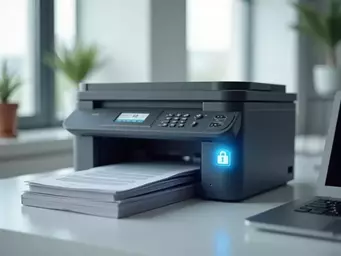
Pull printing, also known as secure print release, is a workflow that enhances document security by ensuring that only authorized users can access printed materials. When a document is submitted for printing, it does not immediately print out at the device. Instead, it is held in a secure queue until the user authenticates themselves at the printer.
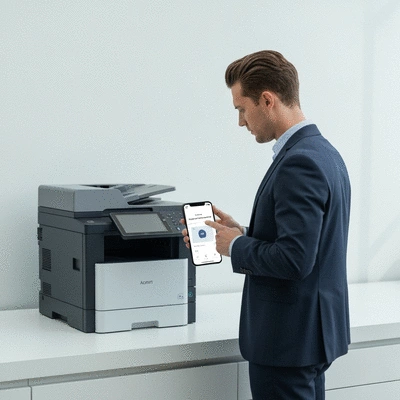
This authentication process typically involves entering a PIN, swiping an RFID card, or using a mobile app. Once verified, the user can release their document for printing, minimizing the risk of sensitive information sitting unattended. This approach not only enhances security but also reduces waste and ensures that only necessary documents are printed. To delve deeper into how these technologies work, check out our article on secure printing technologies for data.
Key Authentication Methods in Secure Document Printing
Overview of Authentication Technologies
There are various methods for user authentication, each with its unique advantages and applications in secure printing. Understanding these technologies is crucial for organizations looking to enhance their document security.
- PIN Codes: Simple numerical codes entered at the printer.
- RFID Cards: Physical cards that provide quick access with a swipe.
- Mobile Apps: Smartphone applications that allow remote print release.
- Biometric Scanners: Fingerprint or facial recognition for highly secure access.
As we explore these options, it’s essential to consider your organization’s specific needs and the potential impact on user experience. Different methods can vary significantly in terms of convenience and security, so selecting the right option is crucial for successful implementation.
Single Sign-On (SSO) and Multi-Factor Authentication (MFA) in Document Security
Single Sign-On (SSO) and Multi-Factor Authentication (MFA) are two powerful tools in enhancing user authentication. SSO allows users to access multiple applications with one set of credentials, reducing the need to remember numerous passwords.
MFA, on the other hand, adds an extra layer of security by requiring users to provide two or more verification factors. By combining these methods, organizations not only enhance their security posture but also improve the overall user experience. Are your current authentication methods utilizing these advancements effectively?
Biometric Authentication: The Future of Secure Printing?
Biometric authentication is becoming a key player in document security. By using unique biological traits such as fingerprints or facial recognition, organizations can ensure that only authorized personnel have access to sensitive documents. This method is not only secure but also convenient for users, eliminating the need for remembering codes or carrying cards.
As we look to the future, embracing biometrics could significantly enhance your organization’s security measures. Are you ready to explore how this technology can streamline your document management processes?
Comparing Traditional Authentication Methods: PINs, RFID, and Mobile Apps
To help you make informed decisions about user authentication methods, let’s analyze some common options:
| Authentication Method | Pros | Cons |
|---|---|---|
| PIN Codes | Simple and easy to implement | Can be forgotten or shared |
| RFID Cards | Fast access, less prone to errors | Physical cards can be lost or stolen |
| Mobile Apps | Convenient, can be used remotely | Dependent on device security |
Understanding the pros and cons of each method is crucial for ensuring that your organization implements the most effective and user-friendly solution. Have you evaluated your current authentication practices against these options?
Pro Tip
When implementing user authentication and pull printing solutions, consider conducting regular training sessions for your employees. This will ensure that they are not only familiar with the technologies but also understand the importance of document security. Empowering your team with knowledge can significantly reduce the risk of data breaches and enhance compliance with industry regulations.
Maximizing the Impact of User Authentication and Pull Printing
As we look towards the future, the landscape of document security is continuously evolving. With technological advancements occurring at a rapid pace, it’s crucial to stay ahead of the curve. At SecurePrint Compliance Solutions, we understand that being proactive about document security can help organizations protect sensitive information and maintain compliance. So, what trends should we keep an eye on?
- Increased use of cloud solutions for scalability
- Integration of artificial intelligence for enhanced threat detection
- Growing reliance on mobile access for remote workflows
- Emphasis on zero-trust security models
By embracing these trends, businesses can better prepare themselves for the challenges ahead and fortify their document security strategies.
Best Practices for Maintaining Document Security
To ensure that your organization’s secure printing practices remain robust, it’s important to adopt some key recommendations. At SecurePrint Compliance Solutions, we advocate for ongoing management and improvement. Consider these best practices:
- Regularly update security software to protect against vulnerabilities.
- Conduct employee training sessions on document security protocols.
- Implement a document retention policy to manage sensitive information effectively.
- Periodically review and update your authentication methods.
By following these best practices, organizations can foster a culture of security and ensure that their document management processes remain effective.
Understanding Security Policies and Compliance Standards
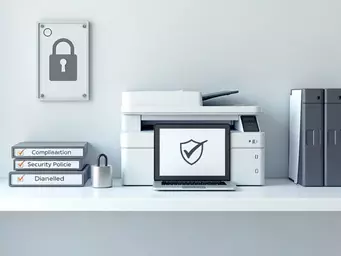
Security policies and compliance standards play a vital role in safeguarding document workflows. For instance, standards such as ISO 27001 provide organizations with a framework for managing sensitive information securely. Compliance not only protects your data but also enhances your organization's reputation. Here are a few key aspects to consider:
- Establish clear data handling procedures for all employees.
- Ensure that all staff are familiar with compliance requirements specific to your industry.
- Regularly conduct audits to assess compliance and security posture.
- Maintain documentation of policies and procedures for accountability.
By prioritizing security policies and compliance standards, organizations can effectively navigate the complexities of document security, ensuring all workflows are secure and efficient. For a deeper understanding of regulatory frameworks, read our explanation of print security compliance explained simply.
Frequently Asked Questions (FAQs)
- What is pull printing?
- Pull printing (or secure print release) is a system where print jobs are held in a secure queue until the user authenticates themselves directly at the printer. This prevents sensitive documents from being left unattended and accessible to unauthorized individuals.
- Why is user authentication important for document security?
- User authentication ensures that only authorized personnel can access and release confidential documents for printing. This significantly reduces the risk of data breaches, improves compliance, and safeguards sensitive information from falling into the wrong hands.
- What are the main authentication methods for secure printing?
- Common authentication methods include PIN codes, RFID cards, mobile applications, and biometric scanners (fingerprint or facial recognition). Each method offers varying levels of convenience and security, allowing organizations to choose based on their specific needs.
- How do SSO and MFA enhance document security?
- Single Sign-On (SSO) streamlines access by allowing users to log in once to access multiple systems, while Multi-Factor Authentication (MFA) adds an extra layer of security by requiring multiple verification steps. Combined, they strengthen security without significantly hindering user experience.
- What are some best practices for maintaining document security?
- Key best practices include regularly updating security software, conducting employee training on security protocols, implementing a clear document retention policy, and periodically reviewing and updating authentication methods to stay ahead of potential threats.
Recap of Key Points
Here is a quick recap of the important points discussed in the article:
- Enhancing document security is essential due to increasing cyber threats and strict compliance requirements.
- Pull printing ensures documents are only printed when authorized users authenticate at the device, reducing the risk of sensitive information exposure.
- Key authentication methods include PIN codes, RFID cards, mobile apps, and biometric scanners, each with unique benefits and challenges.
- Implementing Single Sign-On (SSO) and Multi-Factor Authentication (MFA) enhances security while simplifying user access.
- Regular updates to security software and employee training on document security protocols are vital for maintaining robust document security practices.
- Adhering to security policies and compliance standards is crucial for safeguarding document workflows and protecting sensitive information.