
In today's digitally driven landscape, the stakes are higher than ever when it comes to protecting sensitive information. How secure is your organization's print environment? Discover the critical strategies that can fortify your defenses against potential data breaches.
What You Will Learn
- Unsecured printers can serve as gateways for data breaches, risking unauthorized access to sensitive documents.
- Common scenarios such as unattended print jobs and weak network security increase vulnerability to cyberattacks.
- Implementing network segmentation and encryption protocols is crucial for safeguarding data transmission.
- Regularly updating device firmware and enforcing strict access controls can enhance printer security significantly.
- Establishing a cyber-safe culture through ongoing training empowers teams to recognize and respond to threats effectively.
Key Strategies for Effective Data Breach Prevention
A comprehensive framework for mitigating risks in print environments. For more detailed insights into protecting sensitive data, explore our article on data security in print environments.
Network Security
Utilize segmentation and encryption protocols to safeguard data transmission.
Device Hardening
Regularly update firmware and enforce strict access controls to enhance printer security.
Physical Security
Manage printer access and implement secure print release solutions to minimize unauthorized access.
Advanced Technologies
Leverage AI, machine learning, and SIEM tools for threat detection and continuous monitoring.
Compliance Awareness
Be well-versed in GDPR, HIPAA, and other relevant regulations to ensure adherence to necessary standards.
Understanding the Importance of Data Breach Prevention in Print Environments
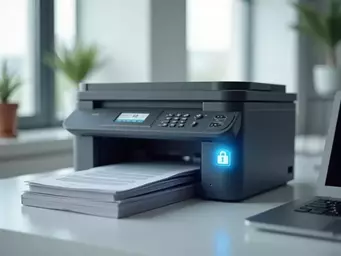
In our increasingly digital world, the importance of data breach prevention cannot be overstated, especially in print environments. Have you ever wondered how vulnerable your organization’s sensitive information is when it comes to printing? Unsecured printers can act as gateways for data breaches, exposing confidential data that could lead to severe financial and reputational damage.
As the owner of SecurePrint Compliance Solutions, I’ve seen firsthand how critical it is for organizations to prioritize print security. When sensitive documents fall into the wrong hands, the impact can be devastating, affecting everything from client trust to legal compliance.
Why Print Security Matters: The Risks of Unsecured Printers
Unsecured printers are often overlooked in the broader scope of cybersecurity, yet they pose significant risks. These risks include:
- Unauthorized access to sensitive documents
- Data interception during transmission
- Exposure to malware and cyberattacks
Each of these vulnerabilities can lead to serious consequences. For instance, an unsecured printer network allows intruders to access printed documents, undermining your organization’s security posture. Have you evaluated your print environment for such vulnerabilities? Understanding secure printing technologies for data is crucial to mitigating these risks.
Common Data Breach Scenarios in Print Operations
Understanding the common scenarios that lead to data breaches in print operations is vital for prevention. Here are some typical situations you should be aware of:
- Unattended Print Jobs: Documents left unattended at the printer can be picked up by anyone.
- Weak Network Security: Printers connected to unsecured networks can be exploited by hackers.
- Insufficient User Authentication: Lack of user authentication can allow unauthorized individuals access to sensitive prints.
By recognizing these scenarios, organizations can implement targeted strategies to mitigate risks. It’s essential to proactively address these issues before they escalate into significant security incidents.
Key Strategies for Effective Data Breach Prevention
To protect your organization from potential data breaches in print environments, consider implementing robust strategies. With over a decade of experience, I’ve compiled key tactics that can significantly enhance your print security.
These strategies range from improving network security to hardening devices and enhancing physical security measures. Let’s dive into the specific approaches that can make a real difference.
Engage with Us!
We'd love to hear your thoughts: How does your organization approach print security? Share your strategies or concerns below:
Frequently Asked Questions (FAQs)
Summarizing Effective Data Breach Prevention Strategies
As we move deeper into an era where data security is paramount, understanding effective data breach prevention strategies is essential. By reviewing our previous discussions on the importance of securing print environments, it becomes evident that a proactive approach is necessary. Implementing robust security measures can significantly reduce the risk of breaches and protect sensitive information.
Let’s summarize the key takeaways from our exploration of print security practices:
- Network Security: Utilize network segmentation and encryption protocols to safeguard data transmission.
- Device Hardening: Regularly update firmware and enforce strict access controls to enhance printer security.
- Physical Security: Manage printer access and implement secure print release solutions to minimize unauthorized access.
- Advanced Technologies: Leverage AI and machine learning for threat detection and utilize SIEM tools for continuous monitoring.
- Compliance Awareness: Be well-versed in GDPR, HIPAA, and other relevant regulations to ensure your organization adheres to necessary standards.
These strategies form a comprehensive framework that can help organizations like yours mitigate risks associated with data breaches in print environments. Each element plays a crucial role in forming a resilient security posture and should be prioritized when developing your organization's security strategy. For further reading on compliance, check out our guide on print security compliance explained simply.
Next Steps: Taking Action to Secure Your Print Environment
Now that we have outlined effective strategies, the next step is to translate these insights into actionable plans. At SecurePrint Compliance Solutions, we believe that implementing a solid action plan is vital for success. Here’s how you can get started:
Developing an Action Plan for Implementation
Creating a tailored action plan involves assessing your current environment and identifying areas for improvement. I recommend the following steps:
- Conduct an an audit of your existing print security measures.
- Prioritize the areas needing enhancement based on risk assessments.
- Set specific, measurable goals for implementing security strategies.
- Engage your team in discussions on print security to foster collaboration.
By following these steps, you can establish a clear roadmap for enhancing your print security and ensuring compliance with important regulations. Remember, a collaborative approach can lead to better outcomes!
Downloadable Resources: Audit Templates and Checklists for Your Team
To assist you in taking these steps, we provide downloadable resources, including audit templates and checklists. These tools are designed to simplify your evaluation process and help your team stay organized. You can find these resources on our website, tailored specifically for organizations navigating the complexities of print security.
Training for Security Awareness: Building a Cyber-Safe Culture
Lastly, I can’t stress enough how important it is to foster a cyber-safe culture within your organization. Regular training sessions focused on security awareness can empower your team to recognize potential threats and respond effectively. Consider integrating these training elements into your onboarding processes and ongoing professional development. A well-informed team is your first line of defense against data breaches! For detailed guidance, review our user access control in print infrastructure article.
As you embark on this journey, remember that safeguarding sensitive information is not just a compliance requirement; it’s a commitment to your clients and your organization’s integrity. Together, we can create secure print environments that prioritize data protection and compliance!
Recap of Key Points
Here is a quick recap of the important points discussed in the article:
- Prioritize Print Security: Unsecured printers can be gateways for data breaches, exposing sensitive information.
- Assess Common Risks: Be aware of risks like unauthorized access, data interception, and malware exposure.
- Implement Robust Strategies: Utilize network segmentation, device hardening, and physical security measures to prevent breaches.
- Stay Compliant: Understand regulations like GDPR and HIPAA to ensure adherence to security standards.
- Foster a Cyber-Safe Culture: Regular training and awareness initiatives can empower your team to identify and mitigate potential threats.