
What if the way you handle printed materials could significantly impact patient privacy? Understanding the nuances of HIPAA compliance in printing is crucial for healthcare organizations to maintain trust and accountability.
What You Will Learn
- HIPAA compliance is essential for safeguarding Protected Health Information (PHI) in printed materials.
- Implementing secure print solutions prevents unauthorized access and enhances patient trust.
- Regular risk assessments and staff training are mandatory to ensure compliance with HIPAA regulations.
- Real-world case studies demonstrate the effectiveness of tailored printing strategies in mitigating data breaches.
- Addressing common challenges in HIPAA-compliant printing can streamline workflows and improve security.
Key Aspects of HIPAA Compliance in Healthcare Printing
Understanding the critical components for securing Protected Health Information (PHI) in printed materials.
What is HIPAA?
National standards for protecting sensitive patient information, impacting all printed PHI.
Key Challenges & Solutions
- Data Breaches: Implement encryption.
- Inefficient Workflows: Adopt cloud solutions.
- Employee Non-compliance: Provide training.
PHI Protection Essentials
- Secure print release.
- Encryption technologies.
- Regular compliance audits.
Data Breach Prevention Strategies
- Utilize secure print release technologies.
- Employ access control measures.
- Regularly update security software.
Understanding the Significance of HIPAA Compliance in Printing
As I delve into the realm of healthcare printing, it’s crucial to understand the role of HIPAA compliance. The Health Insurance Portability and Accountability Act (HIPAA) sets national standards for the protection of sensitive patient information. For organizations within the healthcare sector, compliance is not just a legal obligation; it’s a matter of trust and accountability. Have you ever considered how the way you handle printed materials can impact patient privacy?
HIPAA compliance directly affects how healthcare providers govern their printing practices. From patient records to prescriptions, every document can contain Protected Health Information (PHI), making secure printing solutions essential. By understanding HIPAA and its implications, organizations can better protect their patients and their practices. For more detailed information on managing and securing patient data, explore our guide on healthcare document security compliance guidelines.

What is HIPAA and Its Impact on Healthcare Printing?
HIPAA was enacted in 1996, primarily to ensure that patient data is kept private and secure. For those of us in the printing business, this means that all printed materials must comply with strict regulations regarding PHI. The act influences various aspects of healthcare, including the security measures we implement in our printing environments.
- Establishes protection protocols for PHI
- Mandates regular risk assessments
- Requires proper training for personnel handling sensitive information
By aligning with HIPAA guidelines, organizations can mitigate risks and uphold the integrity of their operations. It’s about more than compliance; it’s about ensuring that patient trust is maintained through secure practices.
The Importance of Protecting Protected Health Information (PHI)
The safeguarding of Protected Health Information (PHI) is paramount. Any unauthorized access to this sensitive information can result in significant legal repercussions and damage to an organization’s reputation. Implementing robust printing solutions is a critical step in protecting PHI.
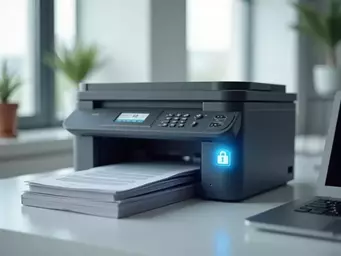
- Utilizing secure print release features to prevent unauthorized access
- Adopting encryption technologies for documents both in transit and at rest
- Conducting regular audits to ensure compliance with HIPAA standards
By prioritizing the protection of PHI, healthcare organizations not only fulfill legal requirements but also cultivate a culture of security and accountability that resonates with patients. Learn more about data security in print environments to further enhance your protective measures.
Patient Privacy and Confidentiality in Healthcare Printing
At SecurePrint Compliance Solutions, we recognize that patient privacy is not just a regulatory obligation; it’s a fundamental part of healthcare. Confidentiality in healthcare printing involves more than just secure processes; it requires a commitment to maintaining the trust of the patients we serve.
- Implementing user access controls to limit who can print sensitive documents
- Using audit trails to track document handling and access
- Establishing clear policies on the disposal of printed materials
When healthcare providers prioritize patient privacy in their printing processes, they enhance their overall compliance posture and contribute positively to the patient experience. Are your current printing practices adequately safeguarding patient information?
Engage with Us!
We want to hear your thoughts! How does your organization ensure HIPAA compliance in printing? Share your best practices or challenges you've faced:
Frequently Asked Questions About HIPAA Compliance in Printing
What is HIPAA and why is it important for healthcare printing?
HIPAA (Health Insurance Portability and Accountability Act) sets national standards for protecting sensitive patient information. It is crucial for healthcare printing because any document containing Protected Health Information (PHI) must comply with strict regulations to ensure patient privacy and prevent data breaches.
What is PHI and how does it relate to printing?
PHI stands for Protected Health Information, which includes any identifiable health information. In printing, this means documents like patient records, prescriptions, and billing statements must be handled with utmost security to prevent unauthorized access, as mandated by HIPAA.
What are common challenges in HIPAA-compliant printing?
Common challenges include preventing data breaches, managing inefficient workflows, and ensuring employee compliance. Solutions involve implementing robust encryption, adopting cloud-based solutions, and providing comprehensive staff training.
How can healthcare organizations prevent data breaches in printing?
Key strategies include utilizing secure print release technologies, employing access control measures, and regularly updating security software. These measures ensure that sensitive documents are only printed and retrieved by authorized personnel.
What role do employee training and risk assessments play in HIPAA compliance?
Regular risk assessments help identify vulnerabilities in printing processes, while comprehensive staff training ensures all employees understand and adhere to HIPAA regulations and security protocols. Both are mandatory for maintaining compliance and a strong security posture.
Practical Insights for Choosing the Right Printing Solution
When it comes to selecting the right printing solution for HIPAA compliance, understanding real-world applications can provide invaluable guidance. At SecurePrint Compliance Solutions, we've seen firsthand how effective solutions can transform healthcare organizations’ document security protocols. In this section, I’ll share some practical insights into what makes a printing solution not just compliant, but also efficient and reliable!
Case Studies: Success Stories from Healthcare Organizations
Let’s dive into some success stories that highlight the positive impact of HIPAA-compliant printing solutions. These organizations faced significant challenges before implementing tailored printing strategies. Here are a few noteworthy examples:
- Community Hospital: After a data breach incident, they adopted a pull-printing solution which reduced unauthorized access to sensitive documents.
- Healthcare Network: They integrated their printing systems with an Electronic Health Record (EHR) solution, which streamlined their workflow and improved patient data security.
- Specialty Clinic: By utilizing encryption technology, they successfully safeguarded patient health information, resulting in enhanced trust from their patients.
These case studies emphasize the importance of selecting a printing solution that not only meets compliance requirements but also enhances operational efficiency. Ultimately, the right choice can lead to better patient care and improved security measures!
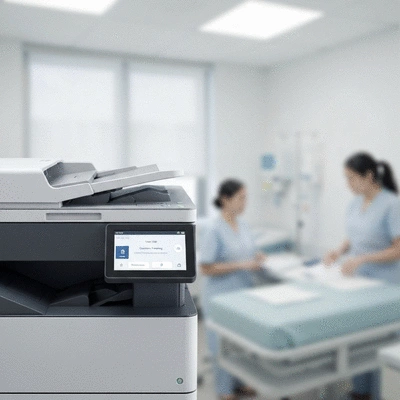
Common Challenges and Solutions in HIPAA-Compliant Printing
As I’ve worked with various healthcare organizations, I’ve identified several common challenges they face in HIPAA-compliant printing. Here are some of the primary issues and effective solutions to tackle them:
- Challenge: Data breaches - Many organizations struggle to protect sensitive data from unauthorized access.
- Solution: Implement robust encryption methods to secure printed materials.
- Challenge: Inefficient workflows - Printing processes can often interrupt patient care if not properly managed.
- Solution: Adopt cloud-based solutions that integrate seamlessly with existing EHR systems.
- Challenge: Employee non-compliance - Ensuring that all staff understand and adhere to HIPAA regulations can be tough.
- Solution: Provide comprehensive training to all employees regarding security measures and compliance protocols.
By addressing these challenges proactively, organizations can significantly enhance their HIPAA compliance posture while streamlining their printing workflows. Remember, choosing the right solution is crucial for effective data security!
Data Breach Prevention Strategies for Healthcare Printing
Preventing data breaches is a top priority for any healthcare organization. Here are some key strategies to consider:
- Utilize secure print release technologies to ensure that sensitive documents are only printed when authorized personnel are present.
- Employ access control measures to limit who can print and retrieve sensitive documents. For further insights on this, you can refer to our article on user access control in print infrastructure.
- Regularly update security software to protect against the latest threats.
Implementing these strategies will not only help in maintaining compliance but also build trust with patients, knowing their information is secure.
Recap of Key Points
Here is a quick recap of the important points discussed in the article:
- HIPAA compliance is essential for protecting sensitive patient information in healthcare printing.
- Implement secure printing solutions to safeguard Protected Health Information (PHI).
- Conduct regular risk assessments and provide training for staff to ensure compliance.
- Utilize encryption technologies and secure print release features to prevent unauthorized access to documents.
- Establish clear policies on user access controls and document disposal to enhance patient privacy.
- Address common challenges like data breaches and inefficient workflows with effective solutions.