
How secure are your print jobs? In an age where sensitive data is increasingly under threat, it's crucial to understand the importance of encrypting your print jobs. Let's delve into key lessons that will help safeguard your organization.
What You Will Learn
- Network printers can be gateways for cyber threats if not properly secured.
- Failing to secure print jobs can lead to severe financial losses and reputational damage due to data breaches.
- Compliance with regulations like HIPAA and GDPR is essential for protecting sensitive information and avoiding legal penalties.
- Implementing a comprehensive compliance checklist can significantly enhance print job security and operational efficiency.
Key Aspects of Print Job Security
Securing print jobs is critical in today's digital environment. This visual outlines the primary reasons why network printer security is essential and the consequences of neglecting it. For a deeper understanding of securing your print environments, read our article on data security in print environments.
Why Network Printer Security Matters
- • Increased Cyber Threats
- • Data Privacy Regulations (GDPR, HIPAA)
- • Operational Efficiency
Consequences of Insecure Print Jobs
- • Legal Ramifications
- • Financial Loss
- • Reputation Damage
HIPAA & GDPR Print Security Requirements
- • Ensure confidentiality
- • Implement access controls
- • Utilize encryption methods
- • Secure disposal procedures
Secure Print Job Compliance Checklist
- • Assess device vulnerabilities
- • Implement user authentication
- • Encrypt all print jobs
- • Regular staff training
Understanding the Importance of Encrypting Print Jobs
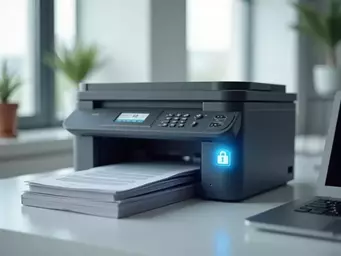
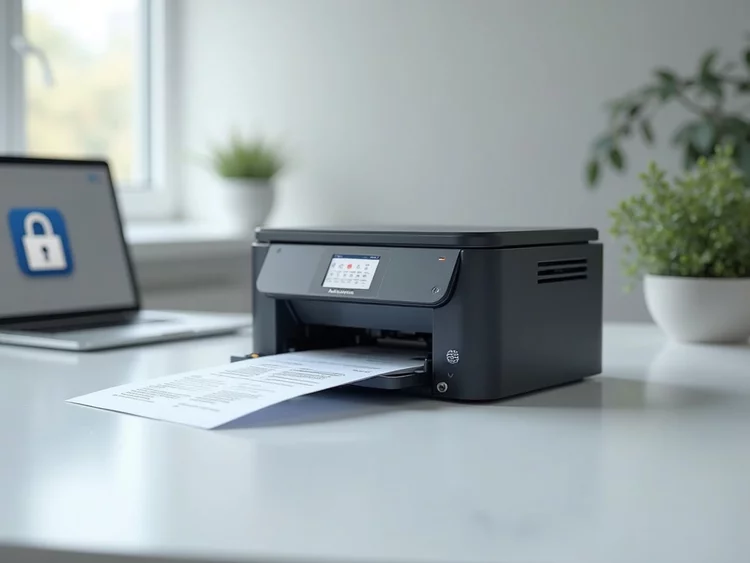
In today's fast-paced digital landscape, securing print jobs has become increasingly vital. With the rise of cyber threats, it’s essential to understand that your network printers can be potential gateways for unauthorized access to sensitive information. Have you thought about how many documents pass through your printers daily? Each one carries valuable data that must be protected to maintain the integrity of your organization.
At SecurePrint Compliance Solutions, we recognize the unique challenges that come with securing print environments. By implementing robust encryption practices, we can ensure that sensitive information remains just that—sensitive and secure. Let’s explore why network printer security is crucial in today's digital age and what steps can be taken to enhance it.
Why Network Printer Security Matters in Today's Digital Age
As organizations continue to embrace digital transformation, the security of network printers often takes a backseat. This oversight can lead to significant vulnerabilities, as many printers are connected to the same networks as other essential devices. It's critical to adopt a proactive approach to network printer security for several reasons, including understanding print security compliance explained simply:
- Increased Cyber Threats: Cybercriminals are continually finding new strategies to exploit vulnerabilities. Printers are often overlooked, making them a prime target.
- Data Privacy Regulations: With stringent regulations like GDPR and HIPAA in place, failing to secure print jobs can expose organizations to hefty fines and reputational damage.
- Operational Efficiency: Implementing security measures can improve overall operational efficiency by reducing the risk of data breaches and downtime.
Understanding these factors can help you grasp the importance of securing your print infrastructure. Every unprotected print job represents a risk that could lead to severe consequences for your organization.
Consequences of Insecure Print Jobs: Data Breaches and Compliance Risks
The repercussions of neglecting print job security can be severe. Data breaches stemming from unsecured printers can lead to the exposure of sensitive client information, internal communications, and proprietary data. Such incidents not only compromise your organization’s integrity but also pose significant compliance risks.
- Legal Ramifications: Organizations could face lawsuits and legal penalties if they fail to protect sensitive data according to laws like HIPAA and GDPR.
- Financial Loss: The costs associated with data breaches—including recovery efforts, fines, and loss of business—can be staggering.
- Reputation Damage: Trust is hard to rebuild once it’s lost. A data breach can tarnish an organization’s reputation, leading to a loss of clients and business opportunities.
As a seasoned expert in data security and compliance, I understand firsthand the importance of addressing these risks. At SecurePrint Compliance Solutions, we're dedicated to providing tailored solutions that help mitigate these threats, ensuring that sensitive information is protected throughout its lifecycle.
Essential Encryption Methods for Securing Print Jobs
To effectively secure print jobs, it’s crucial to implement encryption methods that safeguard data from unauthorized access. Encryption not only protects information while it’s in transit but also ensures that it remains secure when stored on devices. In this section, we'll examine various encryption techniques that can enhance the security of your print environments.
Pro Tip
When implementing encryption for your print jobs, consider using a combination of AES (Advanced Encryption Standard) and IPsec (Internet Protocol Security) protocols. This dual approach ensures that your data is encrypted both at rest and in transit, providing comprehensive protection against unauthorized access.
FAQs
Q: Why is encrypting print jobs important?
A: Encrypting print jobs is crucial because network printers can be gateways for cyber threats, leading to unauthorized access to sensitive information. It helps protect data integrity, prevents financial losses due to breaches, and ensures compliance with data privacy regulations.
Q: What are the main consequences of insecure print jobs?
A: Insecure print jobs can lead to severe consequences, including legal ramifications (e.g., lawsuits, penalties from HIPAA/GDPR), significant financial losses from data breaches, and severe damage to an organization's reputation and client trust.
Q: How do HIPAA and GDPR affect print security?
A: HIPAA and GDPR impose stringent requirements for protecting sensitive personal data. Organizations must ensure confidentiality, implement access controls, utilize encryption, and establish secure disposal procedures for printed documents to comply with these regulations and avoid penalties.
Q: What are essential encryption methods for print jobs?
A: Essential encryption methods include using protocols like AES (Advanced Encryption Standard) and IPsec (Internet Protocol Security). These ensure that data is encrypted both when it’s stored (at rest) and when it’s being transmitted (in transit), providing comprehensive protection.
Q: What should a secure print job compliance checklist include?
A: A compliance checklist should include assessing device vulnerabilities, implementing strong user authentication and access controls, encrypting all print jobs, and regularly training staff on compliance requirements and security protocols. This checklist should also be regularly reviewed and updated.
Maintaining Compliance with Industry Regulations
In today's regulated environment, ensuring compliance with industry standards is essential for any organization handling sensitive information. At SecurePrint Compliance Solutions, we understand the importance of adhering to regulations like HIPAA for healthcare and GDPR for data protection. Implementing secure print job practices not only safeguards sensitive data but also helps avoid potential fines and reputational damage.
To navigate these complexities, it’s crucial to develop a deep understanding of the specific compliance requirements that apply to your industry. Are your current print security measures enough to protect against potential breaches? Let's explore this further.
Understanding HIPAA and GDPR Requirements for Print Security
HIPAA and GDPR provide stringent guidelines on how organizations should protect sensitive personal information. For instance, under HIPAA, any printed patient records must be handled securely to prevent unauthorized access. Similarly, GDPR emphasizes the need for data minimization and secure processing of personal data.
- Ensure confidentiality of printed documents
- Implement access controls to limit who can print sensitive information
- Utilize encryption methods to protect print jobs
- Establish secure disposal procedures for printed documents
By aligning your print security strategies with these regulations, you not only protect your organization but also build trust with your clients. Have you assessed whether your print processes comply with these regulations?
Creating a Compliance Checklist for Secure Print Jobs
One effective way to ensure compliance is by developing a comprehensive checklist that outlines necessary steps for securing print jobs. This checklist should include best practices tailored to your organization's operations. Here’s a simple framework to get you started:
- Assess all devices connected to your network for security vulnerabilities
- Implement strong user authentication and access controls
- Encrypt all print jobs to protect sensitive data during transmission
- Regularly train staff on compliance requirements and security protocols
This checklist should be reviewed and updated regularly to address new challenges and improvements in technology. Don't leave compliance to chance—ensure your organization adheres to best practices!
Ensuring Data Security and Confidential Document Handling
Data security is at the heart of compliance. Ensuring that confidential documents are printed securely involves multiple layers of protection. From encryption to physical security measures, every aspect counts. Have you considered how your organization currently manages document handling? By integrating advanced technologies, you can streamline operations while enhancing security, particularly when looking into secure printing technologies for data.
At SecurePrint Compliance Solutions, we believe that fostering a culture of compliance starts with understanding the tools and technologies available. Are you ready to take your security measures to the next level?
Recap of Key Points
Here is a quick recap of the important points discussed in the article:
- Prioritize Network Printer Security: As cyber threats increase, securing print jobs is essential to protect sensitive information.
- Compliance is Key: Adhering to regulations like HIPAA and GDPR is crucial to avoid legal penalties and maintain organizational integrity.
- Implement Robust Encryption: Employ encryption methods to safeguard print jobs during transmission and storage.
- Regular Training: Educate staff on compliance requirements and security protocols to foster a culture of security awareness.
- Create a Compliance Checklist: Develop and regularly update a checklist to ensure all necessary security measures are in place.